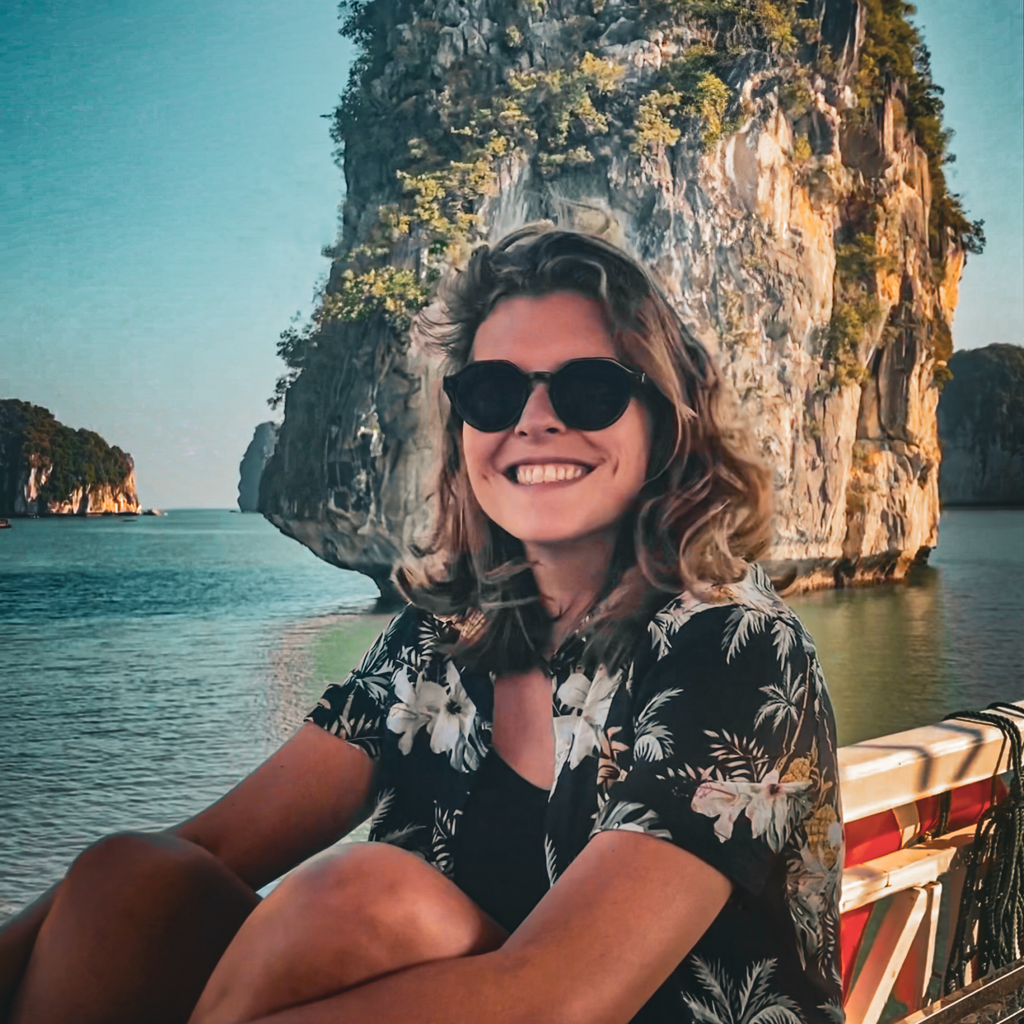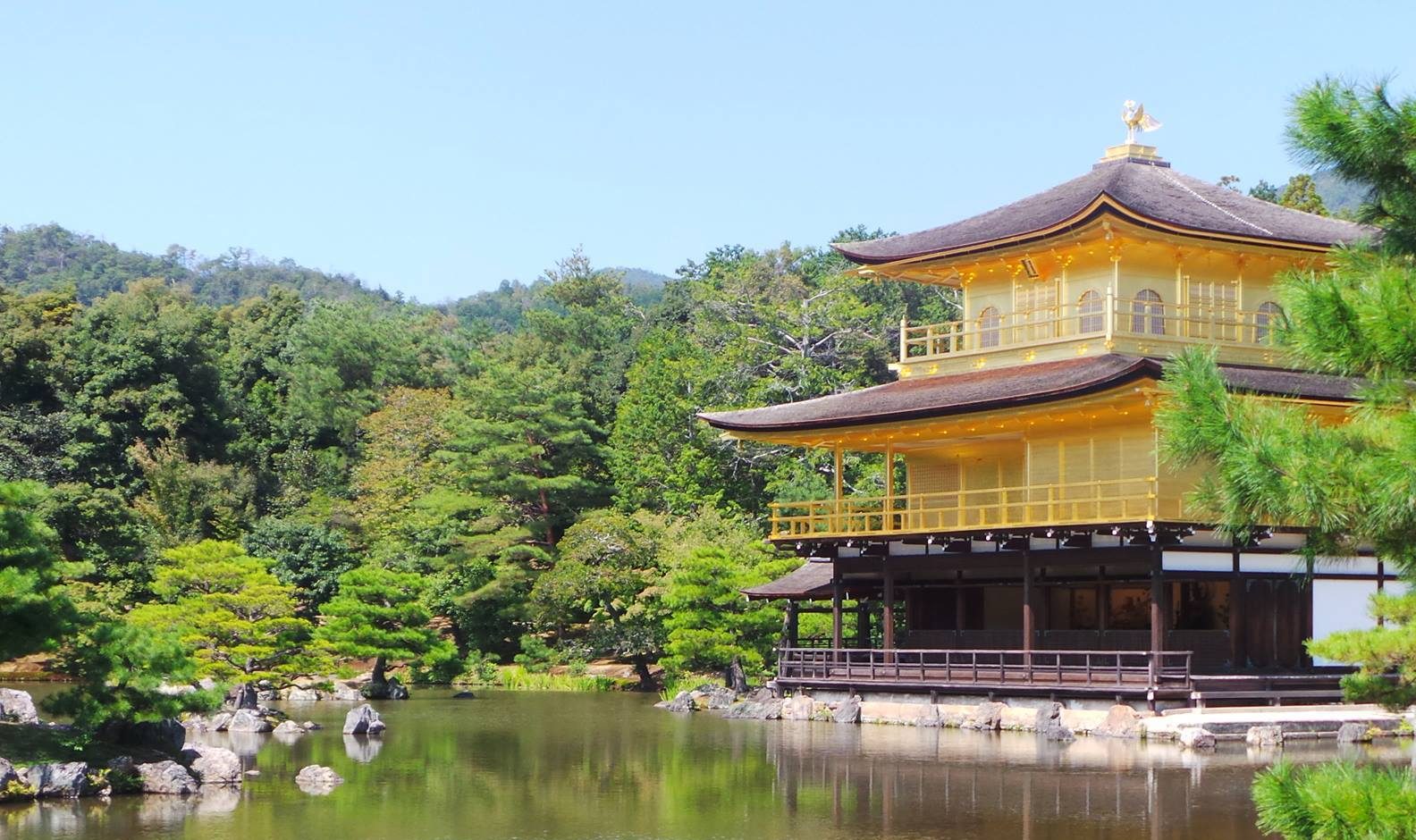
East Asia is known for its mix of ultra-modern cities, ancient traditions, beautiful landscapes, and interesting cultures. It’s dynamic, culturally rich, and visually striking. I think a great destination for both adventure and cultural travel.
How to get there and getting around?
Airport: Major international airports include Beijing Capital, Shanghai Pudong, Tokyo Narita/Haneda, Seoul Incheon, Taipei Taoyuan, and Ulaanbaatar. Flights are often the fastest way to cover long distances, especially in China and Japan. Budget airlines such as Peach Aviation (Japan), Air China, and Korean Air offer frequent domestic options. You can compare flights and find the cheapest deals via Skyscanner. If you don’t know yet when you are going to leave the country, buy an onward ticket and fake your return. This works fine.
Train / high-speed rail / bus options: High-speed rail in Japan, China, and South Korea is efficient, safe, and scenic. Trains connect major cities and are often faster than flying for shorter distances. Intercity buses are affordable in China, Japan, and Taiwan. City metro and bus networks are reliable and easy to navigate in most major cities. I always use 12GoAsia when traveling in East Asia. With just a few taps, you can easily book a ride ensuring a seamless and budget-friendly travel experience. Most of the time, you will receive a digital transportation ticket, so you don’t have to worry about printing.
Scooter / motorbikes: Renting scooters or e-bikes is common in Taiwan, parts of China, and some cities in Japan and South Korea. Helmets are usually required, and traffic can be intense, so exercise caution. Also make sure you have the correct insurance.
Taxi /ride-hailing apps: Taxis are available in all cities. Popular ride-hailing apps include Didi (China), Kakao Taxi (South Korea), JapanTaxi (Japan), and Uber (limited in some countries).
Car rental / driving: Driving is recommended mainly for rural areas, national parks, and remote sightseeing. City traffic can be busy, and parking is limited in major urban centers. Use DiscoverCars to compare car rental prices.


Destinations
Click a destination to explore more!
Latest travel guides
FAQ about East Asia
Is East Asia safe for (female) solo travelers?
Yes, East Asia is generally safe for (female) solo travelers. Cities are well-lit, public transport is reliable, and locals are helpful. Standard safety precautions apply, especially in crowded areas.
Why is East Asia worth visiting?
I love East Asia for its mix of tradition and modernity, natural beauty, technology, food, and rich cultural experiences. Every country offers something completely unique.
Is East Asia cheap to visit?
Costs vary widely. Japan and South Korea are more expensive, while China, Taiwan, and Mongolia can be more budget-friendly depending on your travel style. Traveling to a country with a different currency? Avoid ATM transaction fees and pay the local currency with a Wise Visa Card or Revolut Maestro Card. I have been using these cards for several years and have saved a lot of money as a result. I recommend bringing both bank cards with you when you travel.
Is tipping expected in East Asia ?
Tipping is generally not required in Japan, South Korea, and China. In restaurants, service is usually included, but rounding up or leaving small change is appreciated in some areas.
Do I need a visa for visiting East Asia?
Visa requirements vary by country and nationality. Some countries offer e-visas, visa-on-arrival, or visa-free stays. Always check official government websites before traveling.
Do I need travel insurance for visiting East Asia?
Yes, travel insurance is recommended. Heymondo or Safetywing are among the cheapest travel insurances for travelers and cover medical emergencies, theft, delays, cancellations, lost luggage, and more. As a reader of Girlswanderlust, you’ll receive a 5% discount on your next Heymondo travel insurance.
Will my mobile phone work in East Asia?
Can I drink tap water in East Asia?
Tap water is generally not safe to drink in China, Mongolia, and Taiwan. Bottled or filtered water is recommended. Japan and South Korea generally have safe tap water.
Do I need to speak the local language in East Asia?
Not entirely. English is widely spoken in tourist areas, especially in Japan, South Korea, and Taiwan. Learning a few local phrases is always appreciated.