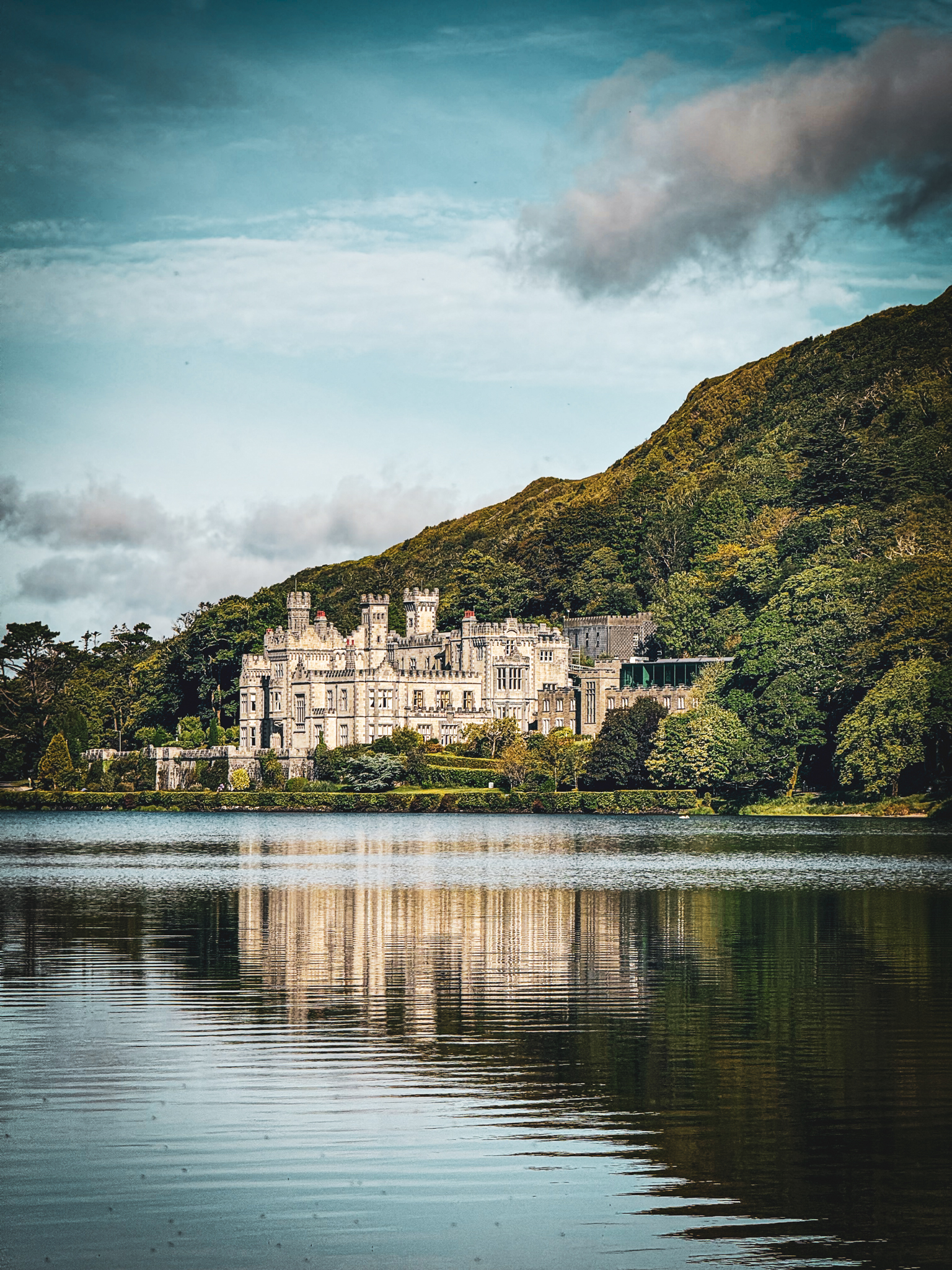
Ireland is known for its green landscapes, dramatic coastlines, castles, pubs, road trips and friendly locals. Here’re some quick facts about Ireland:
 Capital: Dublin
  Currency: EURO
  Language: English & Irish (Gaeilge)
  Time zone: Greenwich Mean Time (GMT, UTC +0)
  Power plugs: Type G, 230V / 50Hz
  Driving side: Left
 Useful local phrases:
Hello: Hello / Dia dhuit
Thank you: Thank you / Go raibh maith agat
I’m Sorry: Sorry
The food/drink is great: It’s delicious
Best time to visit Ireland
Wondering about the best time to visit Ireland? Whether you want to explore the beautiful landscapes, drive the Wild Atlantic Way, or enjoy the pub culture, below you can see an overview of the different seasons in Ireland:

Summer
June – August
15–22°C
Mild temperatures and occasional rain

Autumn
September – November
10-17°C
Frequent showers

Winter
December – February
4–10°C
Cool and wet

Spring
March – May
8–15°C
Mixed weather
So what’s the best time for visiting Ireland?
- Summer: best for road trips, hiking, and long daylight hours
- Autumn: best for fewer crowds and scenic drives
- Winter: best for pub culture and city trips
- Spring: best for blooming landscapes and quieter travel
How to get there and getting around?
Airport: Ireland’s main international airport is Dublin Airport, located about 20–30 minutes from the city center by bus or taxi. You can compare flights and find the cheapest deals via Skyscanner. If you don’t know yet when you are going to leave the country, buy an onward ticket and fake your return. This works fine.
Train / Bus options: Ireland has a decent public transport system, with trains connecting cities like Dublin, Cork, Galway, and Limerick. Buses are often the best option for reaching smaller towns and rural areas. Travel times can be longer compared to mainland Europe.
Car rental / driving: Renting a car is one of the best ways to explore Ireland, especially for scenic routes like the Wild Atlantic Way or Ring of Kerry. Roads can be narrow in rural areas, and remember that driving is on the left side. Parking in cities can be limited, so plan ahead. Use DiscoverCars to compare car rental prices.
Boat travel: Ireland’s coastline offers beautiful opportunities for boat travel. Ferries connect Ireland with the UK and nearby islands like the Aran Islands. Boat tours are also popular for exploring cliffs, such as the Cliffs of Moher, or spotting wildlife like dolphins and seals along the coast.
Cycling or walking: Walking is one of the best ways to explore cities, especially centers. Cycling is a great way to explore certain parts of Ireland, especially scenic routes and quieter countryside roads. Cities like Dublin are becoming more bike-friendly, with bike rental options available, though traffic can be busy compared to other European capitals. Consider booking a free bicycle or walking tour via Freetour or GuruWalk.

Destinations
Click a destination to explore more!
Latest travel guides
FAQ about Ireland
Is Ireland safe for (female) solo travelers?
Yes, Ireland is generally very safe for (female) solo travelers. Locals are known for being friendly and helpful. As always, stay aware of your surroundings, especially at night in busy areas.
Why is Ireland worth visiting?
Ireland is famous for its landscapes, dramatic cliffs, charming villages, and rich cultural heritage.
Is Ireland cheap to visit?
Ireland can be relatively expensive, especially in cities like Dublin. Accommodation and dining costs can add up, but you can save money by booking in advance, cooking some meals, or traveling outside peak season. Avoid ATM transaction fees and pay the local currency with a Wise Visa Card or Revolut Maestro Card. I have been using these cards for several years and have saved a lot of money as a result. I recommend bringing both bank cards with you when you travel.
Is tipping expected in Ireland?
Tipping is appreciated but not mandatory. In restaurants, leaving around 10% for good service is common.
Do I need a visa for visiting Ireland?
If you’re from the EU, US, Canada, Australia, or many other countries, you typically don’t need a visa for short stays (up to 90 days). Always check official government websites before traveling. The official website to check visa regulations for Ireland is the Irish Naturalisation and Immigration Service (INIS) portal: https://www.irishimmigration.ie. It provides accurate and up-to-date information on visa types, requirements, and application procedures for all foreign nationals.
Do I need travel insurance for visiting Ireland?
Yes, I always recommend travel insurance. Heymondo or Safetywing are among the cheapest travel insurances for travelers and cover medical emergencies, theft, delays, cancellations, lost luggage, and more. As a reader of Girlswanderlust, you’ll receive a 5% discount on your next Heymondo travel insurance.
Will my mobile phone work in Ireland?
Yes! Mobile coverage is generally good, especially in cities and towns. In remote rural areas, signal can be weaker. The main mobile providers in Ireland are Vodafone Ireland, Eir Mobile, and Three Ireland, which operate the primary networks. Smaller MVNOs like Tesco Mobile Ireland also offer budget plans using these networks. eSIMs like Holafly, Airalo, or Saily are great options if you don’t want to swap physical SIM cards. I’ve been using eSIMs on my trips and find them convenient and cost-effective.
Can I drink tap water in Ireland?
Yes, tap water is safe to drink throughout Ireland
Do I need to speak the local language in Ireland?
No, English is the main language spoken across Ireland, so it’s very easy to communicate.