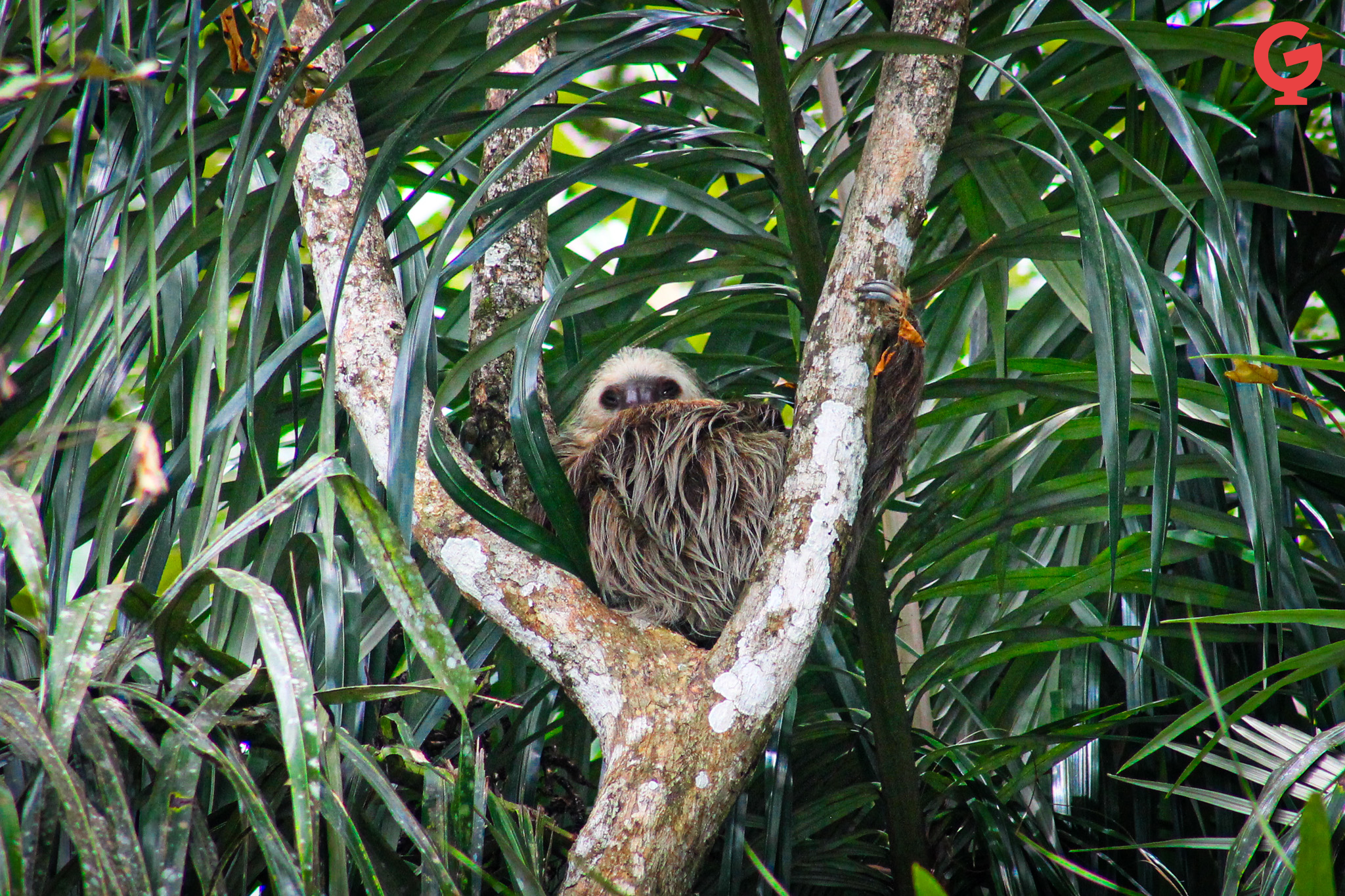
Panama is famous for its incredible biodiversity, tropical islands, the Panama Canal and mix of city and nature. One day you’re exploring a modern skyline, the next you’re spotting monkeys in the jungle. It’s such a unique destination. Here are some quick facts about Panama:
 Capital: Panama City
  Currency: Panamanian Balboa (PAB) & US Dollar (USD)
  Language: Spanish
  Time zone: Eastern Standard Time (EST, UTC -5)
  Power plugs: Type A & B, 110V / 60Hz
  Driving side: Right
 Useful local phrases:
Hello: Hola
Thank you: Gracias
I’m Sorry: Lo siento
The food/drink is great: Está delicioso
Best time to visit Panama
Wondering about the best time to visit Panama? The country has a tropical climate with two main seasons: dry and rainy. Here’s a quick overview:

Dry season
December – April
25–32°C
Sunny, low humidity

Rainy season
May – November
24-30°C
Frequent rain
Short heavy showers
So what’s the best time for visiting Panama?
- Dry season: best for beaches, island hopping, and outdoor adventures
- Rainy season: best for lush jungles, fewer crowds, and lower prices
How to get there and getting around?
Airport: Most international travelers arrive in Panama via Tocumen International Airport (PTY) in Panama City. It’s the main hub for international flights in Central America. Domestic flights are useful for reaching destinations like Bocas del Toro or David. Airlines like Air Panama operate domestic routes. You can compare flights and find the cheapest deals via Skyscanner. If you don’t know yet when you are going to leave the country, buy an onward ticket and fake your return. This works fine.
Train / Bus options: Panama has a simple, but reliable bus system. Long-distance buses connect Panama City with destinations like Valle de Anton, David, Boquete, and Santiago. Buses are affordable and widely used by locals. In Panama City, modern metro lines make getting around easy and cheap.
Boats: Boats are essential for reaching island destinations like Bocas del Toro and the San Blas Islands. Water taxis are commonly used and are part of the experience.
Taxis: Taxis are common and relatively inexpensive, but not always metered, so agree on a price beforehand. Uber is widely used in Panama City and is often the easiest option.
Car rental / driving: Renting a car is a good option if you want to explore areas like Boquete, El Valle de Antón, or the Pacific coast. Roads are generally in good condition, but driving in Panama City can be busy. Use DiscoverCars to compare car rental prices.
Cycling or walking: Walking is one of the best ways to explore cities, especially centers. Using a bicycle in Panama is possible, especially in Panama City and along the Amador Causeway, but it’s not very common for daily commuting due to heavy traffic and limited bike lanes. Tourists often use bikes for short recreational rides rather than as a main mode of transport. Consider booking a free bicycle or walking tour via Freetour or GuruWalk.


Destinations
Click a destination to explore more!
Latest travel guides
FAQ about Panama
Is the Panama safe for (female) solo travelers?
Yes, generally! I felt safe during my time in Panama, especially in places like El Valle de Antón and Panama City, but it’s best to avoid high-crime neighborhoods like El Chorrillo and San Miguelito, as well as poorly lit or quiet areas at night. Popular areas such as Casco Viejo are safe, but stay within the busy, well-lit streets. Overall, stick to known neighborhoods, stay aware of your surroundings, and avoid wandering after dark.
Why is Panama worth visiting?
I love Panama for its incredible biodiversity, tropical islands, and mix of city and nature. One day you’re exploring a modern skyline, the next you’re spotting monkeys in the jungle. It’s such a unique destination.
Is Panama cheap to visit?
Panama is more mid-range compared to other Northern American countries. Local transport and food can be affordable, but tours and accommodation can add up. Avoid ATM transaction fees and pay the local currency with a Wise Visa Card or Revolut Maestro Card. I have been using these cards for several years and have saved a lot of money as a result. I recommend bringing both bank cards with you when you travel.
Is tipping expected in Panama?
Not mandatory, but a 10% tip in restaurants is common if it’s not already included. Small tips for guides and drivers are appreciated.
Do I need a visa for visiting Panama?
Many nationalities, including EU, US, Canada, and Australia, can enter Panama visa-free for short stays (usually up to 90 days). Always check official government sources before traveling. The official website to check visa regulations for Panama is https://www.embassyofpanama.org/visas-1. It provides official information on visa types, requirements, and application procedures for foreign nationals.
Do I need travel insurance for visiting Panama?
Yes, I always recommend travel insurance. Heymondo or Safetywing are among the cheapest travel insurances for travelers and cover medical emergencies, theft, delays, cancellations, lost luggage, and more. As a reader of Girlswanderlust, you’ll receive a 5% discount on your next Heymondo travel insurance.
Will my mobile phone work in Panama?
Yes! Coverage is good in cities and most tourist areas. The main mobile providers in Panama are Claro Panama, Movistar Panama, and Digicel Panama, which operate the primary networks. Smaller or prepaid brands exist, but these three dominate nationwide coverage. I recommend getting a local SIM card or an eSIM. Providers like Holafly, Airalo, or Saily are convenient options. I’ve been using eSIMs on my trips and find them convenient and cost-effective.
Can I drink tap water in Panama?
Tap water is safe to drink in Panama City, but in other areas it’s better to stick to bottled or filtered water.
Do I need to speak the local language in Panama?
No, but Spanish is the main language. English is spoken in tourist areas, but learning a few basic Spanish phrases will make your trip easier and more enjoyable.