
Last Updated on July 14, 2026
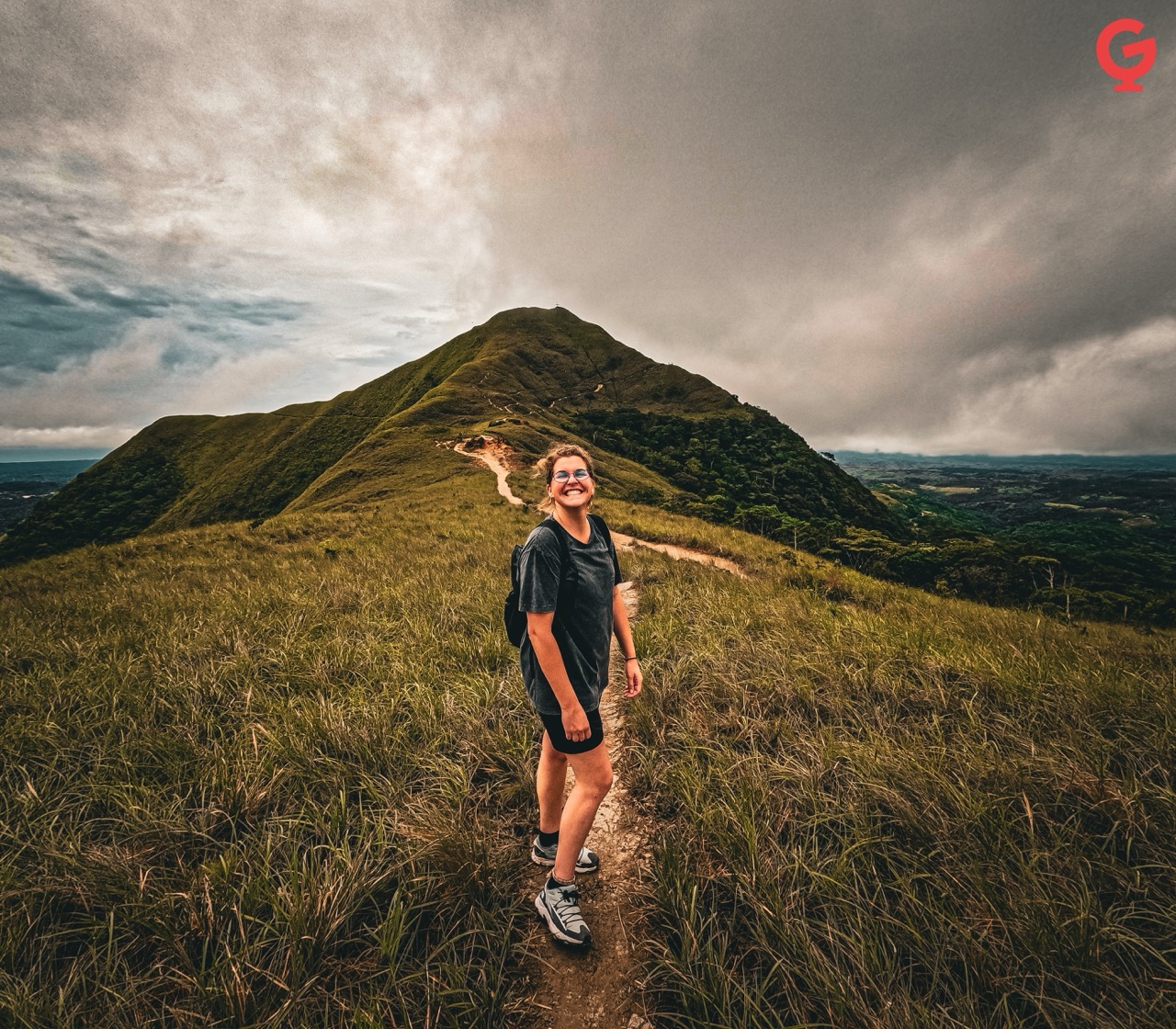
Hiking is one of the greatest and most liberating things you can do. Fresh air, amazing views, the sound of birds instead of traffic, and that incredible feeling of reaching the destination after a challenging hike. I think it’s one of the best ways to experience and connect with nature.
But with more people exploring the outdoors than ever before, it’s also more important to protect the places we love. The good news? Hiking responsibly doesn’t have to be difficult. Small changes like staying on the trail, packing out your trash, or choosing reusable gear can make a big difference. Many of these tips are inspired by the internationally recognized Leave No Trace principles, which encourage hikers and outdoor enthusiasts to minimize their impact on nature while enjoying the outdoors.
In this guide, I share 10 responsible hiking tips to help you reduce your impact, respect wildlife, and enjoy the outdoors in a more sustainable way. Thanks for considering these small efforts. Happy hiking!
What you’ll find in this article
- 1. Plan your hike carefully and prepare responsibly
- 2. Stay on marked hiking trails
- 3. Leave nature untouched
- 4. Respect wildlife while hiking
- 5. Pack out your trash and leave no trace
- 6. Light fires responsibly
- 7. Support local communities and guides
- 8. Follow responsible bathroom practices outdoors
- 9. Bring reusable hiking gear
- 10. Choose eco-friendly hiking products
- Conclusion
- Save for later!

1. Plan your hike carefully and prepare responsibly
Planning and preparation is a very important part of being responsible. Before heading out, always check the weather forecast, trail conditions, and possible warnings. This helps you stay safe and prevents unnecessary rescue operations, which can put extra pressure on local resources and the environment. Make sure to know the rules and regulations of the area you are going to and make sure you have the right gear with you. When you are going higher up in the mountains, you need more gear. Like climbing gear or appropriate clothing. When buying this, you can choose to buy from a more sustainable manufacturer.
2. Stay on marked hiking trails
Marked hiking trails are there for a reason. Stick to the path to ensure animal habitat and nesting fauna remain undisturbed. It is also good to stay on the paths, because they are designed to offer a path of least resistance and the best route to showcase the landscapes and amazing views. It is important not to mark the trails in order not to damage the trees.

3. Leave nature untouched
The nature is beautiful and we should leave what we find. Resist the urge to collect rocks, shells, plants, or anything else on the trail. Leave those for the next hikers to enjoy.
4. Respect wildlife while hiking
As exciting as it can be to see a new critter on the trail, remember that these guys are not used to seeing us either. Do not frighten them and do not feed them. Feeding animals makes them habituated to and reliant on humans, what can lead to attacks. Keep a respectful distance from wildlife. If you are close enough to attract an animal’s attention, you are too close.
If you use a drone, you must be respectful of wildlife and how this stresses them out. If you fly your drone near an animal and it moves, you are affecting it’s pattern. You are stressing it out, causing it to leave its desired location and possibly expending energy which could harm them. Please do not do this.


5. Pack out your trash and leave no trace
Bring along a small bag and pick up any trash you spot along your hike. Have a friendly competition to see who can clean up the most waste. Do not bury your trash. Animals will dig it up or it will become exposed later on for someone else to find. Best is to bring the bag with you towards home.
6. Light fires responsibly
Unless you are in a campsite, fires of any kind are not recommended. Always take care when lighting a fire. Make sure the fire is extinguished before you continue your hike in order to occur an escalation into a bushfire or wildfire. Please pay attention to all fire danger warnings.


7. Support local communities and guides
If you need a guide or porter, it is nice if you can hire a local one. The local people usually know the trails and turns by heart and have a good knowledge about the specific area. Hiring locals also ensures the money you spend go directly back into the community and helps preserve the park or track.
8. Follow responsible bathroom practices outdoors
In case you decide to use toilet paper when you go into the forest for a dump run, make sure you do not leave it behind in the nature. Bring it with you in your garbage bag or burn it. Personally, I would say try to liberate yourself from toilet paper and use some natural materials instead. You can use for instance grass, stones or snow to clean yourself. Another way is to use, as many people do, your left hand and some water. Do not forget to clean your hands afterwards.

9. Bring reusable hiking gear
Leave the plastic bottle at home and bring a reusable water bottle with you. A reusable bottle helps reduce the amount of single-use plastic waste created on the trail. You can refill it at water sources along your route, but always check beforehand whether the water is safe to drink. In some destinations, a water filter bottle or purification tablets can be a great addition to your hiking gear, especially when hiking in remote areas.
You can also make other small gear swaps to make your hikes more responsible. Consider bringing reusable food containers, a lightweight reusable coffee cup (the best ways to have coffee while traveling), and a washable snack bag instead of disposable packaging. Choosing hiking equipment that lasts for years is often a more sustainable choice than constantly replacing cheap gear. When buying new hiking clothing or equipment, look for second-hand options, repair old items when possible, or choose brands that focus on recycled materials and responsible production.
10. Choose eco-friendly hiking products
The products you bring into nature can have an impact on the environment. Some conventional sunscreens contain chemicals that can harm ecosystems, especially when they wash into rivers, lakes, or oceans. When choosing sunscreen for your hike, consider a reef-safe or mineral-based sunscreen that is less harmful to the environment.
The same applies to insect repellent. Many bug sprays contain chemicals that can affect insects and other organisms. Choosing a more natural alternative can help reduce your impact while still keeping you comfortable on the trail.
Also think about other personal care products you bring hiking. Opt for biodegradable soap, shampoo bars, and toiletries with minimal packaging, especially when camping or going on multi-day hikes. Remember that even small amounts of products can end up in natural environments, so it is always best to use them responsibly and away from water sources.

Conclusion
Responsible hiking isn’t about being perfect, I think it’s about making mindful choices every time you head outdoors. By respecting wildlife, leaving no trace, supporting local communities, and reducing your waste, you can help preserve hiking trails for everyone who comes after you.
Every hike is an opportunity to enjoy nature, but also to protect it. Even the smallest actions can have a positive impact when thousands of hikers choose to do the same. Together, we can keep these incredible landscapes wild, clean, and inspiring for generations to come.
If you have any questions about the above mentioned information, feel free to let me know in the comment section below. Do you have another tip for hiking more responsibly? I’d love to hear it! Share your best eco-friendly hiking advice in the comments below and help inspire fellow travelers.
Save for later!
If you found this guide helpful, don’t forget to save it for your next adventure and share it with your hiking buddies. Happy hiking!



Responses
Appreciating the time and effort you put into your website and the in-depth information you offer. It was such a most valuable concept about green hiking. Nice explanation and you have pointed out some valid points exceptionally well. It’s very helpful to me as I have planned to go hiking solo to get relaxed and spend some time alone time. Looking forward to seeing you soon in a new post. Thanks for your help!
Thanks Eric!
As a guy who loves hiking, I really like these tips, especially the one about not taking anything with you (guilty as charged). While a pebble might seem like nothing, if every person decides to take one, it ends up being a big deal 🙂
One addition – always respect nature and go prepared. Mountains can be very hostile sometimes…
Yes, so true! Even not a pebble =)
Thanks for your addition! It always is important to go prepared and respect the nature.
You’ve brought out the golden rules perfectly here. What brands offer eco friendly sun cream? I have natural deodorant and would be willing to swap more products. Love that you mention hiring a local too, nice way to give back.
Hi Danni,
Thank you! Some good examples of eco friendly sun creams are;
– Badger Sport Sunscreen Cream – SPF 35
– Kiss My Face Natural Mineral Sunscreen – SPF 30
– Sun Salve Herbal Sunscreen – SPF 27
Love these tips. We carry a water bottle everywhere we go (in the world), not just hiking. Haven’t consumed a single-use water bottle since February 2012….NOT ONE! Woot.
We also carry a garbage bag on every hike. It’s amazing how much you can collect, even on a super clean national park.
One thing I would add to the “don’t mess with wildlife” section is this. IF you use a Drone, you MUST be respectful of wildlife and how this stresses them out. If you fly your drone near an animal and it MOVES, you are affecting it’s pattern. You are stressing it out, causing it to leave its desired location and possibly expending energy which could harm them. Please do NOT do this.
Great to hear you always carry a water bottle everywhere! A simple way to make a huge difference.
I have added your comment of the drone to the ‘Don’t mess with wildlife’ section. Great addition and definitely truth!
Thanks again for your comment and enjoy hiking and traveling!